What is a Credit Score?
A credit score is a three-digit number that helps lenders evaluate your creditworthiness based on information in your credit reports. Most commonly used credit scoring models range from 300 to 850.
Your credit score may influence your ability to qualify for credit cards, auto loans, mortgages, and other financing. A higher score may help you qualify for more favorable interest rates and lending terms.
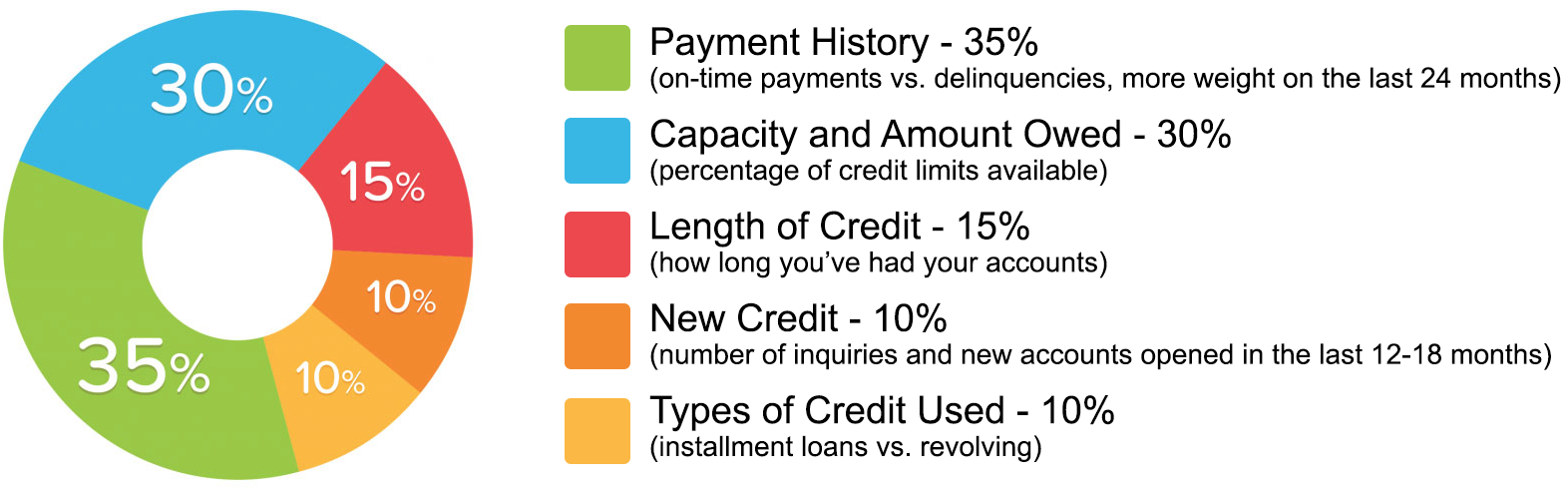
Credit scores are calculated using several factors, including payment history, amounts owed, length of credit history, new credit activity, and types of credit accounts. Different scoring models may produce different scores.
What affects your Credit Score?
How We Help You Address Credit Reporting Errors
At LS Credit Repair & Tradelines LLC, we help clients identify and dispute inaccurate, incomplete, or unverifiable information on their credit reports.
We assist with reviewing payment history, collection accounts, credit inquiries, and other reporting concerns. Each dispute is evaluated individually and supported by relevant information when available.
We also provide credit education to help clients understand credit utilization, payment history, and responsible credit management.
Credit repair results vary by individual. Accurate and verifiable negative information generally cannot be removed simply because it affects your credit score. No specific score increase or deletion is guaranteed.
Building and Maintaining Healthy Credit
Improving your credit takes time, consistency, and responsible financial habits. Here are several ways to help strengthen your credit profile:
Pay Your Bills on Time: Payment history is one of the most important factors affecting your credit score. Make payments by their due dates whenever possible.
Keep Credit Card Balances Low: Credit utilization measures how much of your available revolving credit you're using. Lower utilization generally benefits your credit score.
Avoid Unnecessary Credit Applications: Applying for multiple credit accounts within a short period may temporarily affect your score.
Maintain Established Credit Accounts: The length of your credit history can influence your score. Keeping older accounts open when appropriate may be beneficial.
Review Your Credit Reports Regularly: Check your reports for inaccurate or unfamiliar information and dispute errors when necessary.
Be Patient and Consistent: Building positive credit history is an ongoing process. Results depend on your individual financial circumstances.
How long will certain items remain on my credit file?
- Delinquent (30- 180 days): A delinquency may remain on file for seven years; from the date of the initial missed payment.
- Collection Accounts: May remain seven years from the date of the initial missed payment that led to the collection (the original delinquency date). When a collection account is paid full, it will be marked as a "paid collection" on the credit report.
- Charge-off Accounts: When a delinquent account is sent to a collections company. This will remain for seven years from the date of the initial missed payment that led to the charge-off (the original delinquency date), even if payments are later made on the charge-off account.
- Closed Accounts: Closed accounts are no longer available for further use and may or may not have a zero balance. Closed accounts with delinquencies remain for seven years from the date they are reported closed, whether closed by the creditor or by the consumer. However, the delinquency notation will be removed seven years after the delinquency occurred when pertaining to late payments. Positive closed accounts continue to be reported for ten years from the closing date.
- Bankruptcy: Chapters 7, 11, and 12 will remain on one's credit report for ten years from the filing date. A Chapter 13 bankruptcy is reported for seven years from the filing date. Accounts included in a bankruptcy will remain for seven years from the date reported as included in the bankruptcy
- Inquiries: Most inquiries listed on one's credit report will remain for two years. All inquiries must remain for a minimum of one year from the date the inquiry was made. Some inquiries, such as employment or pre-approved offers of credit, will show only on a personal credit report pulled by you.